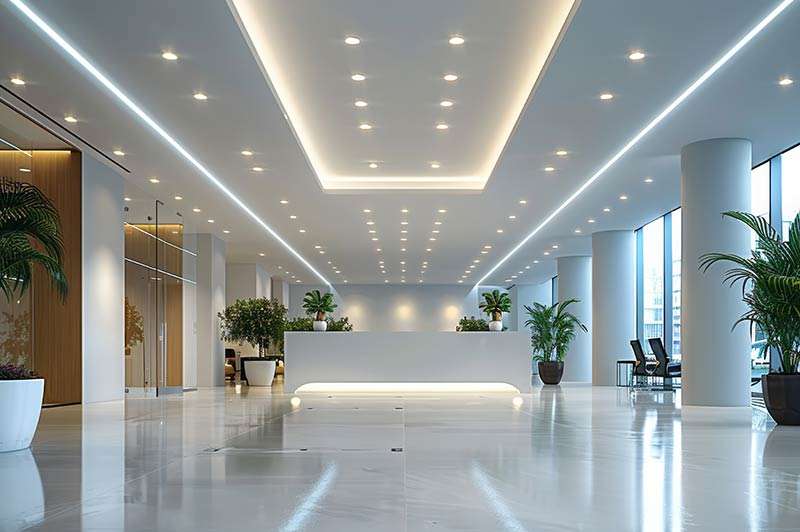
Understanding LED lighting can transform any space. The Kelvin scale is key to mastering this art. It measures light colour temperature, ranging from warm to cool tones. Use the color temperature chart below as a quick reference when comparing options.
This guide will explore the LED colour chart, focusing on the Kelvin scale. This Kelvin scale runs from 1000K through to 10000K and shows how different temperatures affect ambiance and functionality. Each point on the scale has unique uses.
Lighting designers and experienced lighting specifiers know how to select precise colour temperatures for specific applications – shaping ambience, supporting tasks, and highlighting architectural and retail features. You too can use this guide to understand the Kelvin scale and make more intentional lighting choices.
Understanding the Kelvin Scale and LED Colour Temperature
The Kelvin scale is fundamental to understanding LED colour temperatures. Named after physicist William Thomson (Baron Kelvin of Largs), it quantifies light colour in Kelvin (K) units. The Kelvin (K) is the SI unit of thermodynamic temperature, and on the Kelvin scale lower values indicate a “warmer” (more amber) appearance while higher values indicate a “cooler” (bluer) light appearance. In US usage, this is often called led color temperature.
LED colour temperature is crucial for setting moods in spaces. Warmer temperatures (1900K – 3000K) create cosy, intimate settings. They are ideal for relaxing environments such as living rooms and bedrooms. Mid-range temperatures (3500K – 4500K) strike a balanced, neutral white that suits kitchens, bathrooms and retail areas where you want clarity without the starkness of daylight tones. Meanwhile, cooler temperatures (5000K – 6500K) enhance focus and visibility, perfect for workspaces.
Below is a breakdown of common light sources depicted as Kelvin scale temperatures:







6000K: Overcast sky

6500K: Overcast sky at 12 noon

10000K: Blue sky on a clear day
Selecting the right LED temperature involves considering the function of a space. Aim for balance between mood and practicality to optimise lighting.
The LED Colour Chart: Key Colour Temperatures Explained
LED lighting technology offers a spectrum of colour temperatures, each with a unique effect. Understanding these key temperatures can enhance your ability to create desired atmospheres. This led colour chart kelvin scale overview helps you match hue to use cases.
LEDs produce light when an electric current passes through a semiconductor, and most manufacturers pair an LED with different mixes of phosphor coatings that convert part of the LED light into broader-spectrum light – resulting in “warm” or “cool” whites at different Kelvin ratings. Because LEDs are efficient, long-lasting, and mass-produced, features that once required specialist lamps and costly fittings, such as selectable colour temperature or full colour-changing effects, are now available to everyday consumers at relatively low cost in standard bulbs, strips and smart lighting.
Lighting experts appreciate the flexibility LEDs provide compared to traditional bulbs. This range allows for customisation in both residential and commercial settings. LEDs are available in various forms, making them suitable for a multitude of applications.
Choosing the right LED colour temperature complements decor and enhances functionality. Consider how these temperatures impact emotions and productivity in different environments.


2200K: Extra Warm White
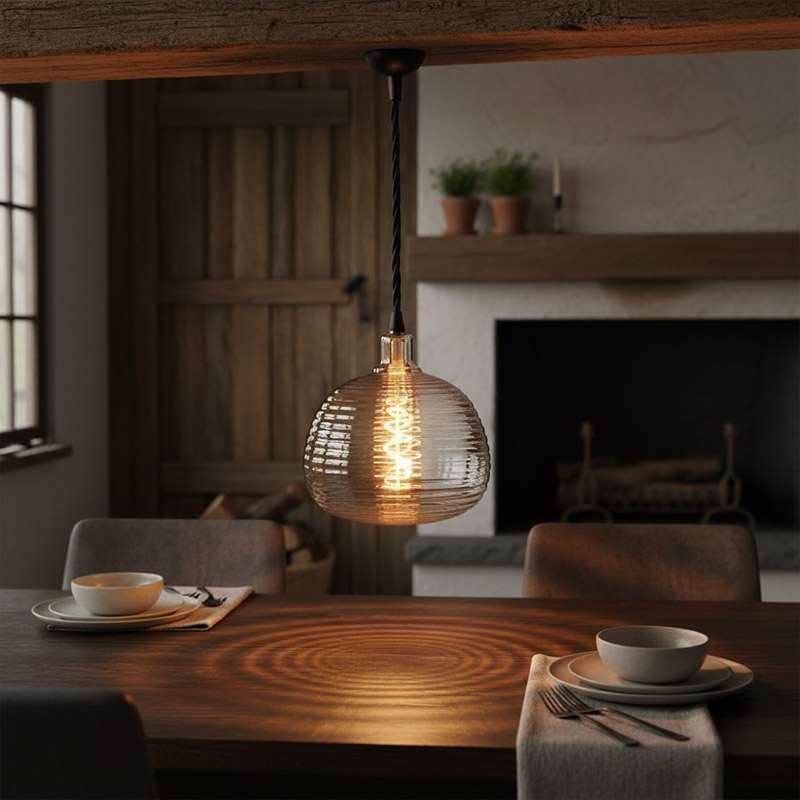
This mirrors the soft glow of candlelight, ideal for cosy settings. This colour temperature imbues spaces with a warm, intimate atmosphere. It’s perfect for dining areas or creating romantic moods. This colour range is typically found in decorative light bulbs that feature a gold/antique/bronze glass finish.
Candlelight ambiance is ideal for evening gatherings, enhancing comfort with a gentle glow. It’s also energy-efficient, providing sustainable elegance.
2700K: Warm White
At 2700K, the light produced is the same as a traditional incandescent light bulb. LED lights mimic the warmth of old style bulbs. This lighting is ubiquitous in homes, offering a familiar and comforting glow. It suits spaces where warmth and relaxation are prioritised, like living rooms.
These lights contribute to a welcoming environment, enhancing relaxation and leisure. They pair well with warm-toned decor, complementing natural woods and textiles.
3000K: Halogen Warm White
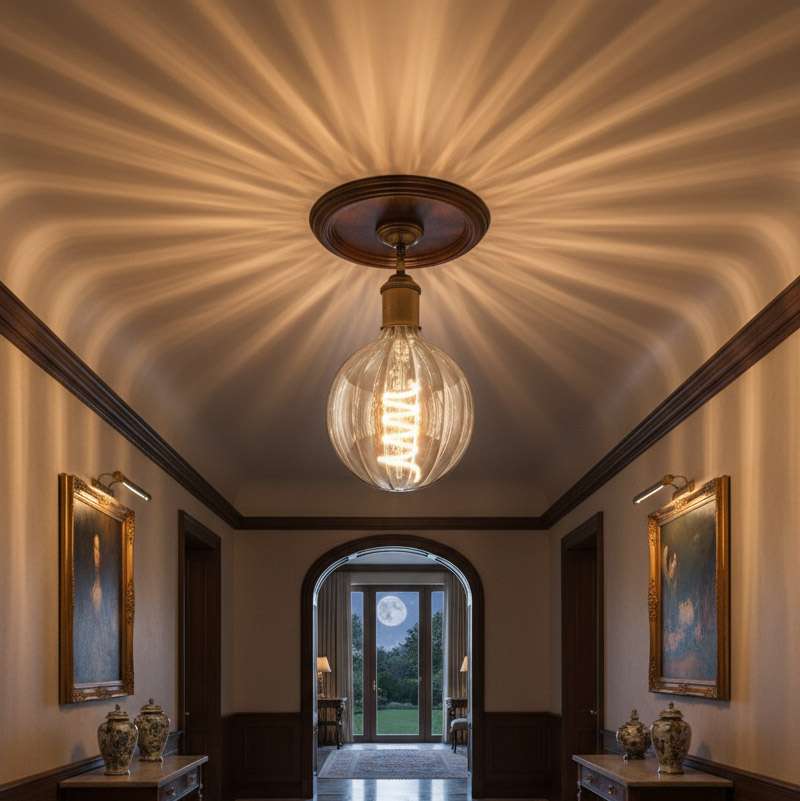
3000K, resembling halogen lighting, provides a slightly cooler and crisper warm white. It’s well-suited for kitchens or bathrooms, where clear vision is necessary. This temperature offers warmth while enabling better focus on tasks.
Halogen warm white is versatile, balancing warmth with precision. It brings a little more clarity to colours and details in a room, aiding in functional design.
3500K: Fluorescent White
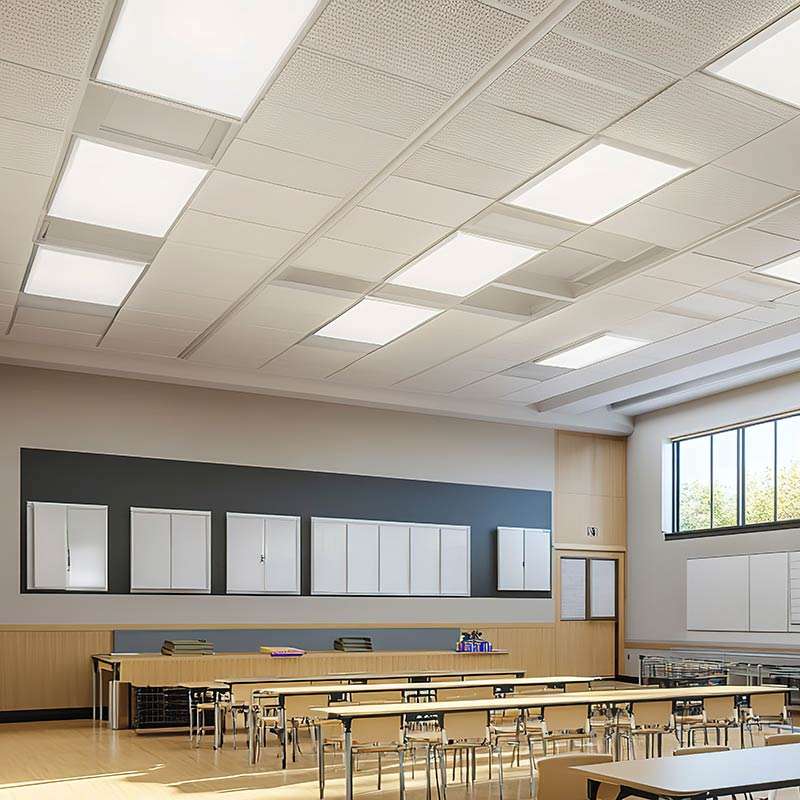
3500K is associated with fluorescent lighting, offering a neutral white tone. It’s often used in commercial spaces to maintain alertness without harshness. Fluorescent white strikes a balance, suitable for offices and retail settings.
This lighting supports productivity without sacrificing comfort. It provides a clean aesthetic, pairing with both cool and warm interior palettes effectively.

4000K: Cool White
At 4000K, cool white lights are optimal for functional areas requiring clarity. Kitchens, offices, and laboratories benefit from this bright, energising light. It promotes efficiency by replicating natural daylight more closely.
Cool white enhances focus, making it ideal for settings where tasks and details are prioritised. This temperature is favoured for spaces requiring a fresh, neutral look.

Higher Kelvin Values: 5000K to 6500K Daylight
Higher Kelvin values from 5000K to 6500K replicate daylight, bringing unrivalled brightness. These temperatures suit environments where focus and precision are critical. They simulate natural outdoor light, making them perfect for reading or crafting.
Used in surgical settings and creative studios, they maximise visibility. This range offers clarity for tasks demanding detailed attention. Moreover, it emphasises true colours due to its similarity to sunlight.
- Ideal for workshops
- Great for design areas
- Used in modern display lighting
This lighting effect captures daylight’s vigour, promoting productivity and alertness. It creates an atmosphere of efficiency, transforming any workspace or design area.
Choosing the Right Colour Temperature for Each Space
Selecting the correct colour temperature enhances a room’s aesthetic and functionality. Each space has unique lighting needs, requiring careful consideration of the Kelvin scale.
Warm lights (1800K – 3000K) fit cosy spaces like bedrooms and living rooms. They create a relaxing atmosphere conducive to unwinding after a long day.
Neutral to cool lights (3500K – 4000K) offer clarity and focus, ideal for kitchens and offices. These lights support productivity, making tasks easier.
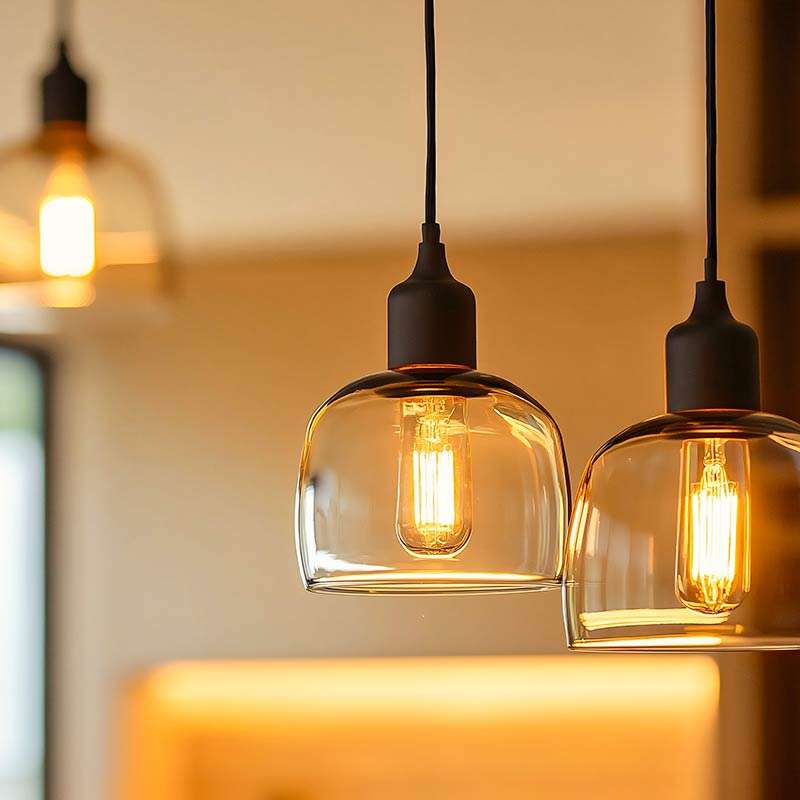
Living Rooms: 1900K – 2700K
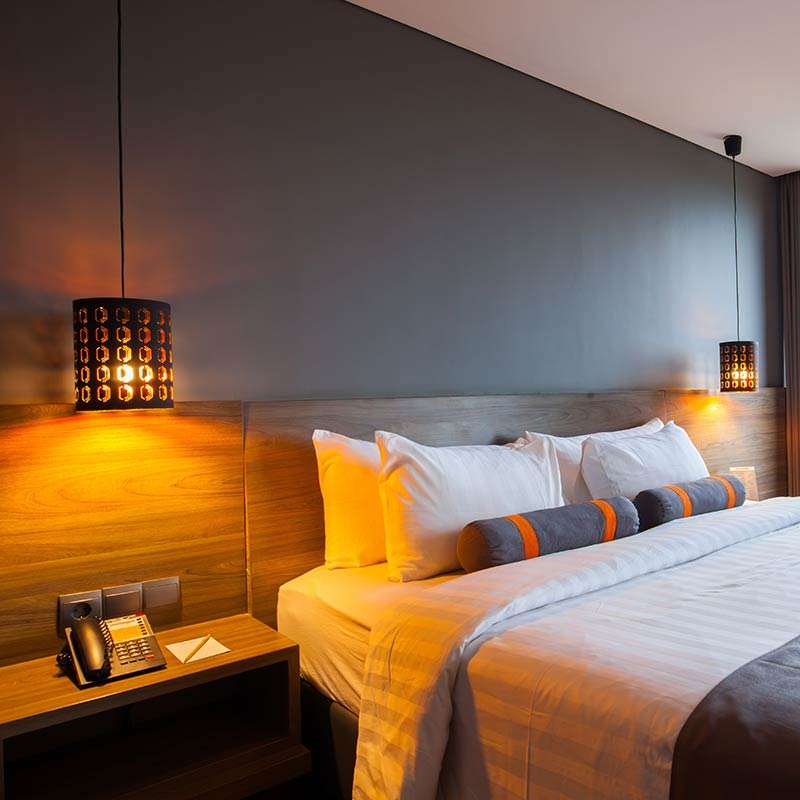
Bedrooms: 1900K – 2700K
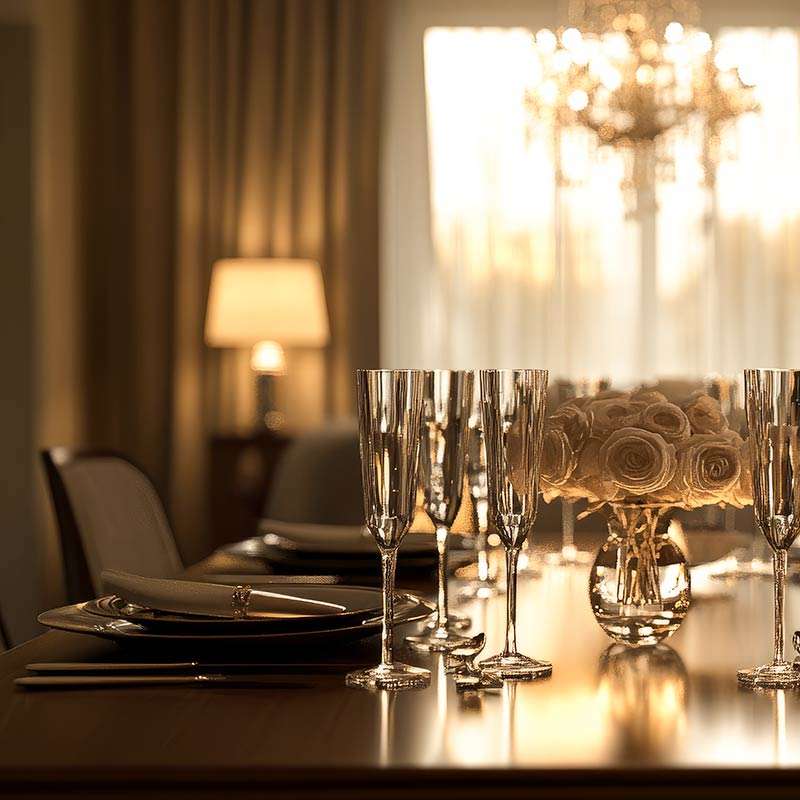
Dining Rooms: 2700K – 3000K
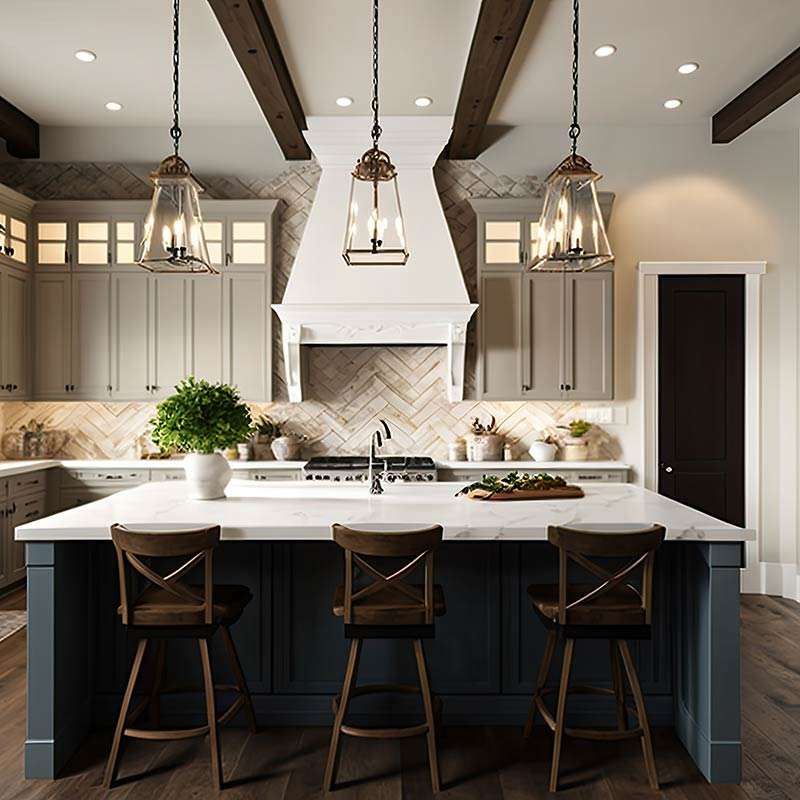
Kitchens: 3500K – 4000K

Garages: 5000K – 6000K

Workshops & Studios: 5000K – 6500K
Understanding the Kelvin scale helps create the desired ambience, improving both mood and work efficiency. Tailoring lighting to suit the space ensures comfort and effectiveness.
Benefits of Understanding the LED Colour Chart and Kelvin Scale
Mastering the LED colour chart empowers better lighting decisions. It enhances both aesthetics and functionality, perfect for interior designers and homeowners. Understanding the Kelvin scale simplifies choosing the right light, boosting customer satisfaction and sales.
Key benefits include:
- Enhanced room ambience
- Improved mood and productivity
- Energy-efficient lighting solutions
Utilising this knowledge, you can craft inviting, functional spaces with appropriate lighting. This leads to improved comfort and efficiency in residential or commercial environments.
Frequently Asked Questions about LED Colour Temperature
LED colour temperature refers to the colour of the light emitted. It is measured in Kelvin (K) and ranges from warm to cool.
Warm light (1900K – 3000K) creates a cosy ambience, while cool light (5000K – 6500K) aids focus and alertness.
No, higher Kelvin isn’t always better. Choose based on the room’s purpose and desired atmosphere.
2700K matches the classic incandescent “warm white” with a soft, cosy glow – great for living rooms and bedrooms. 3000K is a halogen-style warm white that’s a touch crisper and cleaner, making it ideal for kitchens, bathrooms, and areas where you want warmth with a bit more clarity.
Yes—layering works well if you keep the differences modest. Pair a warm ambient base (e.g. 2700K) with slightly cooler task lighting (e.g. 3000 – 3500K) for counters or desks. Avoid extreme contrasts (like 2700K next to 6500K) in the same field of view, and keep all lamps within a single fixture the same Kelvin to prevent patchy-looking light.
Kelvin only describes colour (warm-to-cool), not brightness. Brightness is measured in lumens. That said, cooler whites (4000 – 6500K) can feel “sharper” and are often perceived as brighter at the same output, which is why they’re favoured for task-heavy areas. Choose Kelvin for mood/function and lumens separately for brightness.
Daylight references in the guide include about 4800K for direct sunlight and 6000 – 6500K for an overcast noon sky. Indoors, use 5000 – 6500K when you need maximum clarity and focus – workshops, studios, detailed crafting, and modern display lighting. It’s excellent for accuracy and alertness but can feel stark for relaxing spaces.
Often, yes – especially in multi-use rooms. Modern LEDs and smart bulbs/strips let you choose or change colour temperature (typically between 2700K and 6500K), so you can use cooler light for daytime tasks and warmer light for evenings. They bring pro-level flexibility to standard fittings at low cost; just keep settings consistent within a zone to maintain a cohesive look.
Related Posts:
 The Answer to Sleep Disrupting Blue Light?Hands up if you still look at your phone after you’ve gone to bed. Numerous surveys have been conducted over the last...
 How to light your hallway and landing effectively?Hallway and landing lighting have the ability to offer guests a warm welcome and impress guests the moment they step into your...
 How to plan lighting in your living roomThe living room is known as one of the central communal zones for many households, so knowing how to plan your living...
 Home Lighting – 5 Easy TipsHome lighting is something we should never take for granted, but effective lighting is one of the most important things to get...